Is solar worth it for your home? Get the honest number.
Enter your power bill, pick your state, and see your real payback — system size, true net cost now the 30% federal credit has ended, and 25-year savings. No phone number, no salesperson, no lead form.

Data sources and assumptions
- Electricity ratesU.S. EIA · 2026 state averages
- Solar resourceNREL · 2026 state averages
- Federal tax treatmentIRS · credit ended 31 Dec 2025
- Installed costNREL cost benchmark · 2026 estimate, editable
State assumptions last reviewed: . Rules can change; verify your utility and state program before signing a contract. Full methodology.
From your bill to your payback in three steps
No research required — we fill in the hard numbers and show every step of the math.
Enter your bill & state
Your monthly power bill and state are all we need — we handle the kWh, sun hours and electricity rate for you.
We size it & apply the credit
We size the system to cover your usage and price it at a typical $/watt. The 30% federal credit ended after 2025, so nothing is subtracted for it.
See payback & get quotes
Get your payback years and 25-year net savings — then compare local installer quotes with a real number in hand.
The honest number, not a sales funnel
Most "free solar" sites are lead forms in disguise. SolarDime is a calculator — the math is transparent and the answer is yours to keep.
No lead form
No phone number, no email, no salesperson calling. Nothing is sent anywhere.
Official data
Sun hours and electricity rates from NREL and EIA averages, every one of them linked and dated — not a sales pitch.
Transparent math
Every input is editable and every line of the estimate is shown — no black box.
Post-credit math
The federal Residential Clean Energy Credit ended after 2025, so your net cost is shown without it — not with a credit you can no longer claim. What changed.
Put an honest calculator in front of ready-to-buy homeowners
Installers, EPCs and energy brands use SolarDime as a no-pressure first step. Homeowners get a transparent estimate; you get warmer, better-educated prospects instead of cold form-fills.
- Co-branded & embeddable — run the calculator on your own site or link out to it.
- Warmer leads — homeowners arrive educated, with a payback number already in hand.
- Affiliate & revenue-share friendly — geo-targeted referral traffic on your terms.
Is solar worth it in your state?
Browse all 24 state guides → Each one names the utilities, the export rules and the incentives that decide your payback locally.
How this works
Your electric bill tells us how much power you use. Your state sets two things that make or break solar: how much sun a panel sees (peak sun hours) and how much each kWh you offset is worth (your electricity rate). From those we size the system to cover your usage, and multiply by a typical installed cost per watt to get your net price. We no longer subtract the 30% federal tax credit: it ended for installations completed after 31 December 2025.
Payback is just net cost ÷ what you save each year. We also project 25 years of savings, letting the savings rise with electricity prices and dip slightly as panels age. The result is the honest number the lead-gen sites bury behind a form — no phone number, no salesperson, and nothing you enter is sent to us. Use it to decide whether it's worth getting real quotes.
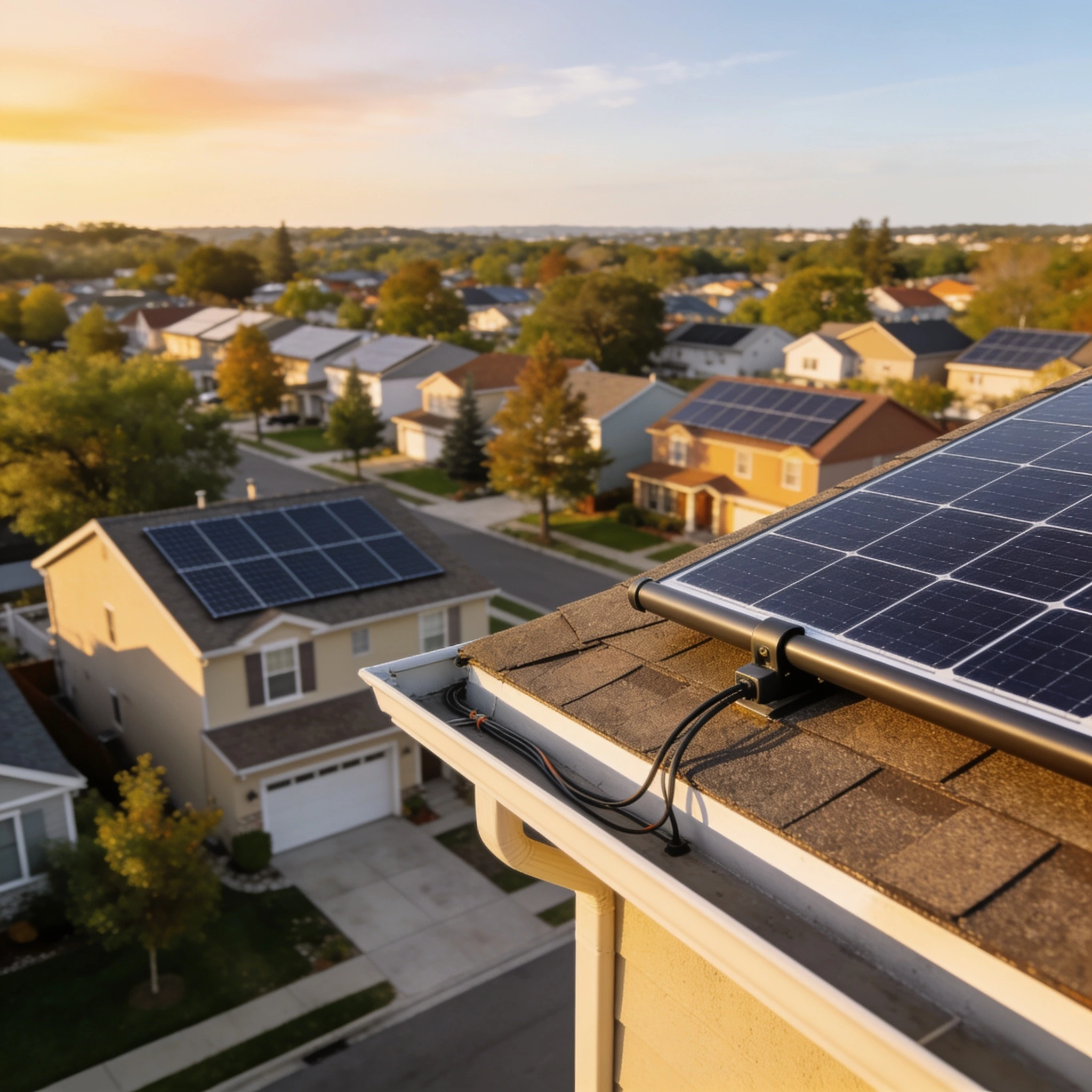
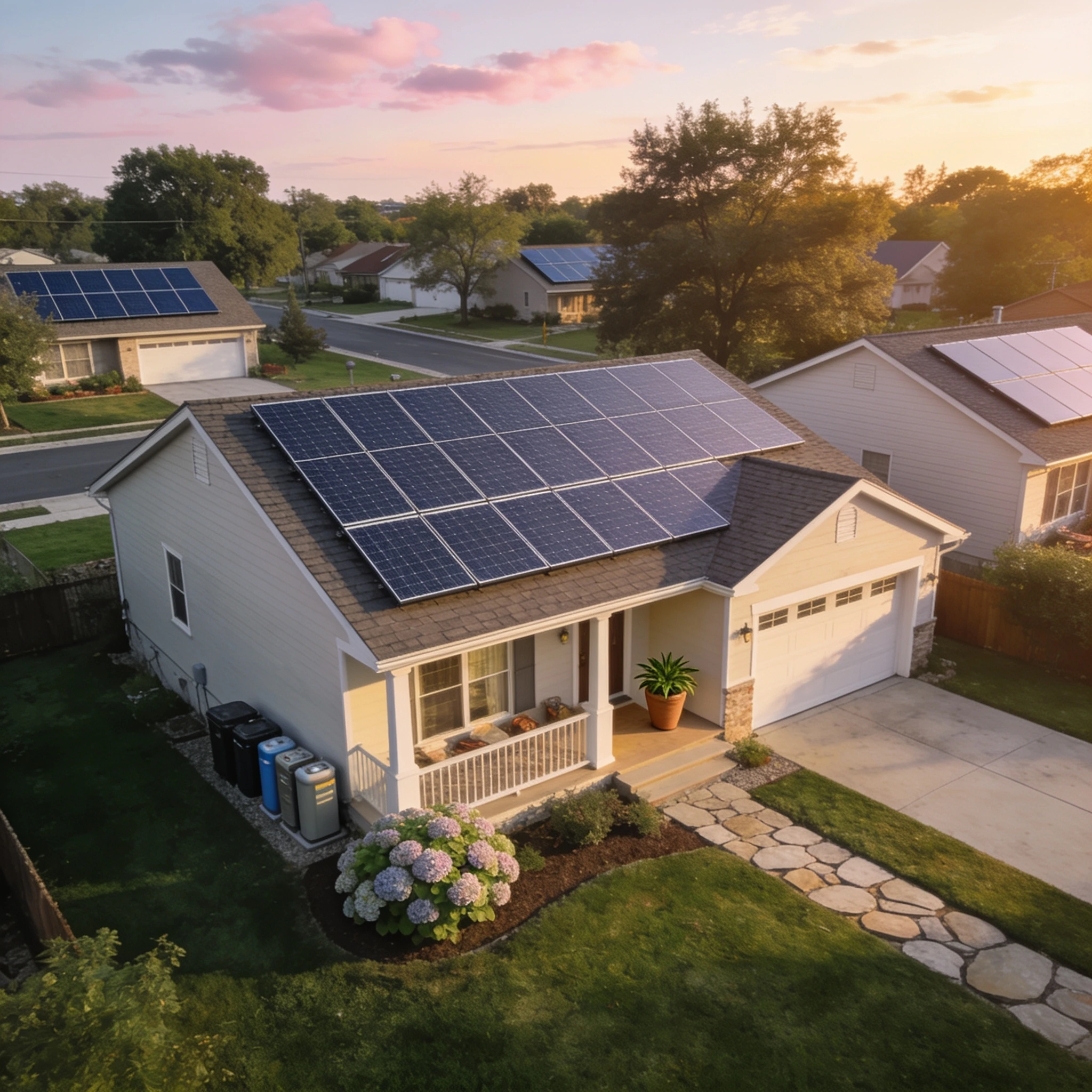
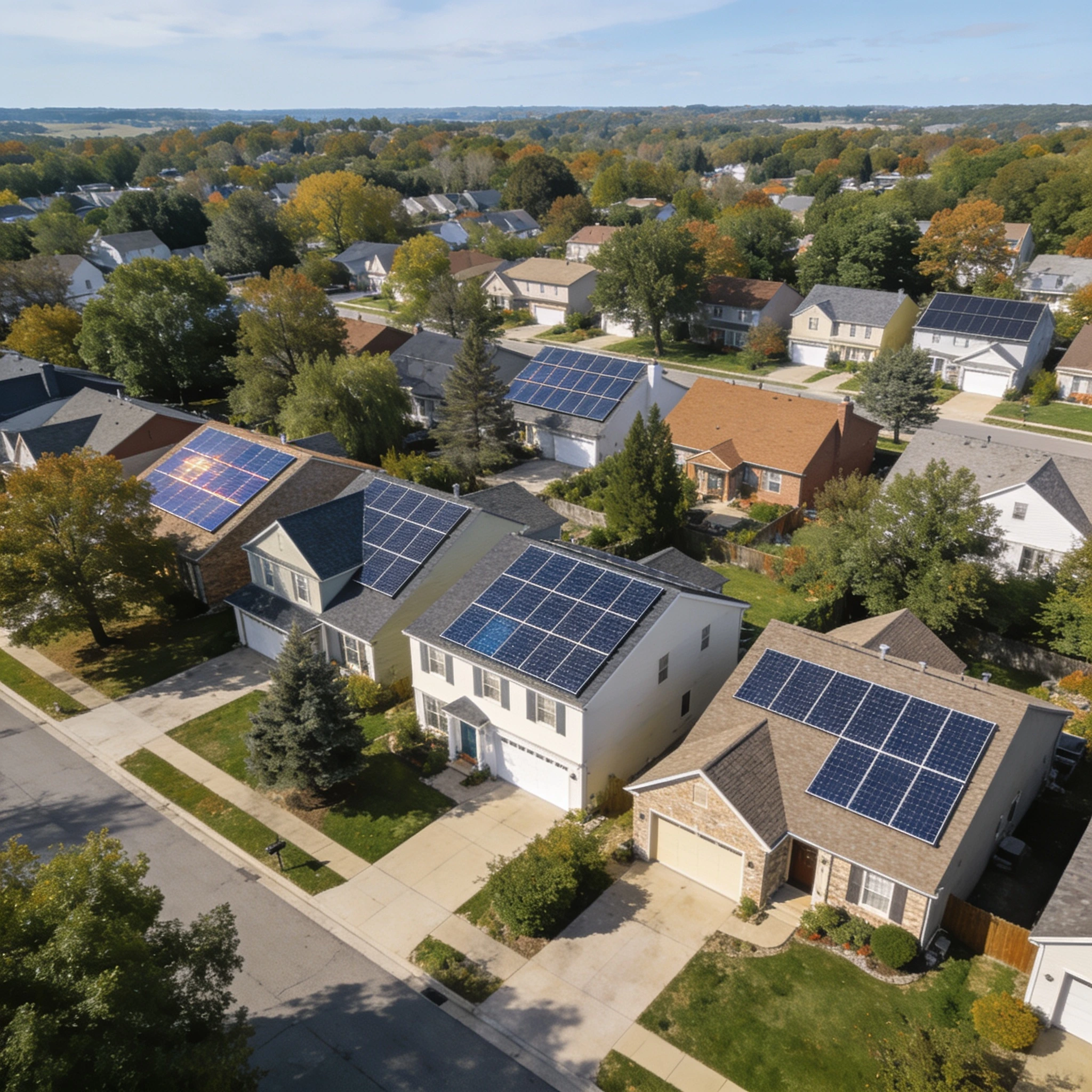
Explore more solar-roof examples





Common questions
Is solar actually worth it?
Where electricity is expensive and the sun is decent, solar often pays for itself in 6–10 years and then delivers nearly free power for the rest of its ~25-year life. Where power is cheap or sun is scarce, payback stretches past 12–15 years. This tool gives your number so you don't have to guess.
Do I need to know my system size or kWh?
No. Just enter your average monthly bill and state — we work out the usage, the system size, and the cost. If you know your exact rate or have a quote's price-per-watt, pop those in for a sharper estimate.
What happened to the 30% tax credit?
The federal Residential Clean Energy Credit returned 30% of your system's cost on your federal taxes, but the One Big Beautiful Bill Act ended it for systems whose installation was completed after 31 December 2025 — so a system finished today no longer qualifies, even if it was paid for earlier. Our figures therefore include no federal credit. Some states and utilities still add rebates or SREC income — add those under "state incentives." See the IRS guidance.
Why no contact form?
Because you shouldn't have to hand over your phone number to find out a number. This is an estimate to help you decide, not a lead form. When you're ready, take it to a few local installers for real quotes.